
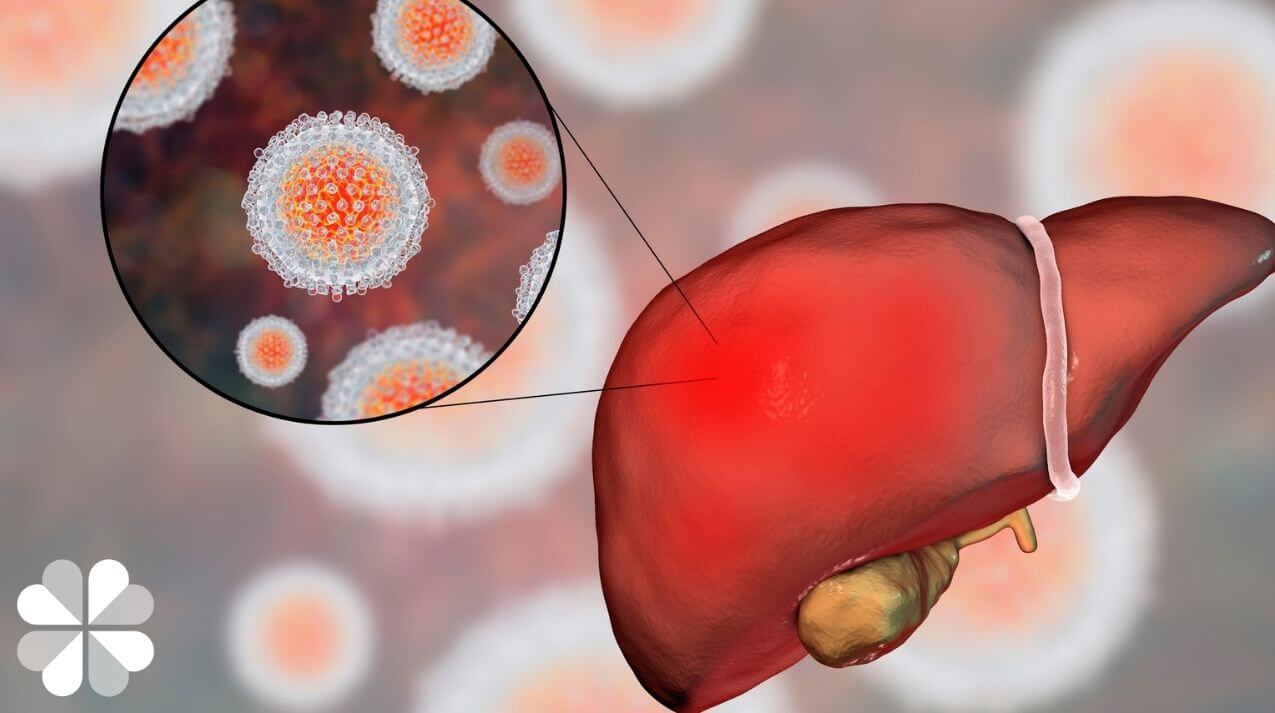
Health authorities globally are investigating the increase in severe cases of hepatitis in young children. Hundreds of cases of acute childhood hepatitis of unknown origin have been reported initially in the UK.
Given the increase in these cases and while investigations are being carried out, the World Health Organization (WHO) has issued a report with various recommendations to deal with this health alert. The WHO recommends many of the measures already known during the pandemic: frequent hand washing, covering coughs, blood, urine, serum and stool tests to analyze and sequence the possible causative viruses.
Although in most cases adenoviruses have been detected among affected patients, we want in this installment and from CanaryDoctor, learn more about what this disease consists of and what its most common types are.
What is hepatitis?
The term "hepatitis" means inflammation of the liver, which can be due to a variety of causes, but generally refers to a group of viral infections that affect the liver. The liver is one of the most important organs in the body because it filters the blood. The most common types of viral hepatitis are hepatitis A, hepatitis B, and hepatitis C.
What are the most common types of hepatitis?
Hepatitis A
Hepatitis A is a contagious liver disease that results from infection with the hepatitis A virus (HAV). It can range in severity from mild illness to severe illness. Hepatitis A is usually spread when a person eats food contaminated with a small amount of feces. A person can also get hepatitis A by touching objects, food, or drinks that are contaminated with the feces of an infected person.
More than 80% of adults with hepatitis A have symptoms. Most children have no symptoms. A person cannot be infected with hepatitis A twice. Washing your hands often with soap and water after using the bathroom, changing a diaper, and before eating or preparing food can help prevent the spread of hepatitis A. The best way to prevent hepatitis A is to get vaccinated with the hepatitis A vaccine. Hepatitis A. Vaccination is recommended for all children, for travelers to certain countries, and for people at high risk of infection with the virus. Although anyone can get hepatitis A from food, certain groups of people are at higher risk, such as those who:
- Travel to or live in countries where hepatitis A is common.
- You have clotting factor disorders, such as hemophilia.
- Live with someone who has hepatitis A
- Having oral-anal sexual contact with someone who has hepatitis A.
Hepatitis B
Hepatitis B also affects the liver and is caused by the hepatitis B virus. Hepatitis B is spread through blood, semen, or other body fluids from one infected person to another. This can happen through sexual contact; share needles, syringes or others; or from mother to child at birth.
The hepatitis B virus can survive outside the body for at least 7 days. During that time, the virus can still cause infection if it enters the body of a person who is not infected.
For some people it may be an acute illness and for others it may be a chronic infection. About 2% to 6% of adults and 90% of infected infants become chronically infected. Chronic hepatitis B can lead to cirrhosis, liver cancer, and other serious illnesses. Hepatitis B can be prevented by vaccination, which is given as 3 injections over a 6-month period. Although anyone can get hepatitis B, higher risk factors include:
- Sex with an infected person.
- Multiple sexual partners.
- Sexually transmitted diseases.
- Injecting drugs or sharing needles, syringes, or other drug equipment.
- Living with a person who has hepatitis B.
- Babies born to infected mothers.
- Exposure to blood at work.
- Hemodialysis patients.
- Travelers to countries with moderate to high rates of hepatitis B.
Hepatitis C
Hepatitis C is a contagious liver disease that ranges from an acute illness lasting a few weeks to a lifelong chronic disease that attacks the liver. It is the result of infection with the hepatitis C virus (HCV), which is spread primarily through contact with the blood of an infected person.
In 80% of people, acute hepatitis C infection, which occurs within the first 6 months after someone is exposed to the virus, leads to chronic infection.
Hepatitis C virus infection can be lifelong and lead to serious liver problems, such as cirrhosis (scarring of the liver) or liver cancer.
The best way to prevent hepatitis C is to avoid behaviors that spread the disease, such as injecting drugs. The hepatitis C virus can survive outside the body at room temperature for up to 2 months! Some countries have a higher rate of hepatitis C, which could increase a person's risk of exposure when traveling to these countries. Some people are at higher risk of getting hepatitis C, including:
- Recipients of donated blood, blood products/clotting factors, and organs.
- People who received body piercings or tattoos in non-regulated facilities with non-sterile equipment.
- People on dialysis.
- Current or past use of injectable or intranasal drugs.
- Healthcare workers with needlestick injuries.
- HIV-infected people.
- Children born to mothers infected with the hepatitis C virus.
Looking for the best medical specialists? click and make an appointment with the best professionals in any specialty.