
Skip to content
sanus-horizontal-small
  • CanaryDoctor
  • Sanus Home
  • Industries
    • Plastic surgery
    • Dermatology
    • Gynecology
    • Aesthetic Medicine
    • Work Medicine
    • General medical practice
    • Odontology
    • Ophthalmology
    • Trauma
    • Urology
  • News
  • Woman
  • Wellness
  • Nutrition
  • More
    • Associations
    • Wellness
    • Sport
    • Nutrition
    • Medical Insurance
Menu
  • CanaryDoctor
  • Sanus Home
  • Industries
    • Plastic surgery
    • Dermatology
    • Gynecology
    • Aesthetic Medicine
    • Work Medicine
    • General medical practice
    • Odontology
    • Ophthalmology
    • Trauma
    • Urology
  • News
  • Woman
  • Wellness
  • Nutrition
  • More
    • Associations
    • Wellness
    • Sport
    • Nutrition
    • Medical Insurance
Professional Access
  • Home CanaryDoctor
  • News
  • Headlines
  • Why can volcanic gases be harmful to health?

Why can volcanic gases be harmful to health?

Published in: News
  • Published by: Canary Doctor
  • 24 September 2021

Share on:

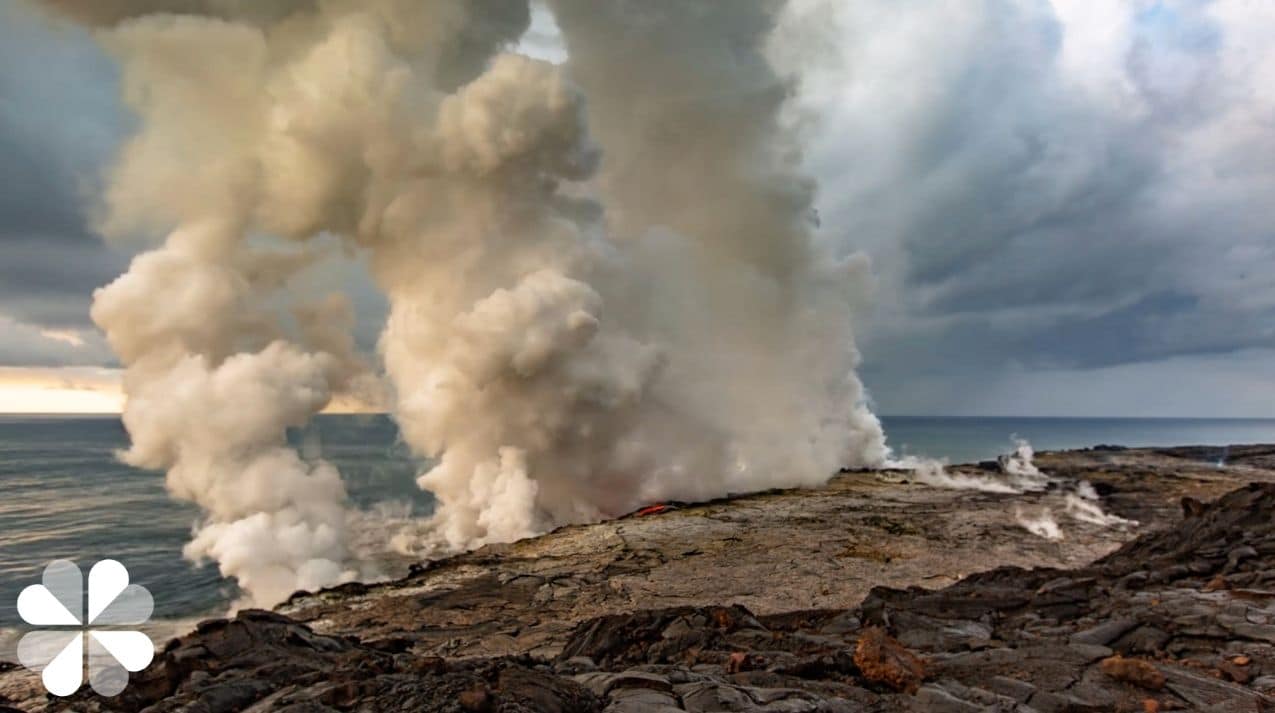
Magma contains dissolved gases, which provide the driving force that causes most volcanic eruptions. As the magma rises to the surface and the pressure decreases, gases are released from the liquid portion of the magma (melt) and continue to travel upward and are eventually released into the atmosphere.

The most abundant volcanic gas is water vapor, which is harmless. However, volcanoes can also emit significant amounts of carbon dioxide, sulfur dioxide, hydrogen sulfide, and hydrogen halides. Depending on their concentrations, all of these gases are potentially dangerous to people, animals, and agriculture. From CanaryDoctor We tell you how they can harm each of these chemical elements.

Carbon dioxide (CO2):

Carbon dioxide constitutes approximately 0,04% of the air in the Earth's atmosphere. In an average year, volcanoes release between 180 and 440 million tons of carbon dioxide. When this colorless, odorless gas is emitted by volcanoes, it typically dissolves to low concentrations very quickly and is not life-threatening.

However, because cold carbon dioxide gas is heavier than air, it can flow into low-lying areas where it can reach much higher concentrations in certain very stable atmospheric conditions. For both people and animals, this can pose a serious risk. Breathing air with more than 3% CO2 can quickly cause headaches, dizziness, increased heart rate, and shortness of breath. At mixing ratios greater than 15%, carbon dioxide rapidly causes unconsciousness and death.

Sulfur dioxide (SO2) irritates the eyes, the skin and the respiratory system:

Sulfur dioxide is a colorless gas that irritates the skin and tissues and the mucous membranes of the eyes, nose, and throat. SO2 emissions can cause acid rain and air pollution.

Hydrogen Sulfide (H2S) is very toxic in high concentrations:

Hydrogen Sulfide is a colorless, flammable gas with a strong, unpleasant odor. It is sometimes known as sewer gas. Interestingly, the human nose is more sensitive to H2S than any gas monitoring instrument we have today: air mixtures with as little as 0.000001% H2S are associated with a rotten egg smell.

Unfortunately, however, our sense of smell is not a reliable alarm: at mixing ratios above about 0.01%, H2S becomes odorless and highly toxic, causing irritation of the upper respiratory tract and, during prolonged exposure, edema. pulmonary. Exposure to 500 ppm can cause a person to lose consciousness in 5 minutes and die in an hour or less.

Hydrogen halides (HF, HCl, HBr) are toxic acids:

When magma rises near the surface, volcanoes can emit the halogens fluorine, chlorine, and bromine as hydrogen halides (HF, HCl, and HBr). These species have a high solubility; therefore, they quickly dissolve in water droplets within volcanic columns or in the atmosphere, where they can potentially cause acid rain. In an ash-producing eruption, the ash particles are also often covered with hydrogen halides. Once deposited, these coated ash particles can poison drinking water supplies, agricultural crops, and grazing lands.

DIt is CanaryDoctor We always recommend following the recommendations of the competent authorities. In this sense and as a general list, we tell you:

  • Stay away from fresh lava flows - Burning vegetation releases methane gas, which can accumulate in covered areas and be released in the form of an explosion.
  • Stay away from valleys and low areas that lead away from the mountain.
  • Listen carefully to official reports through emergency broadcasts.
  • Evacuate the area where you reside if necessary.
  • Seek shelter and minimize your exposure to ash.
  • Don't drive unless absolutely necessary. Ash can damage your car's engine, filters, and exterior.
  • Prevent outside air from entering. Close and seal (for example, tape) doors, windows, vents, and other nonessential gaps. Place wet towels at the bottom of the exterior doors. Minimize the use of HVAC or heating and cooling systems that draw in outside air.
  • Hear updated reports: Ash fall can be a significant hazard or just a nuisance, depending on the size, style, and duration of the eruption.

Looking for the best medical specialists? click and make an appointment with the best professionals in any specialty. 

Comments

comments

Share on:

Facebook
Twitter
LinkedIn
WhatsApp
Canary Doctor

SANUS is the digital newspaper of CanaryDoctor specialized in current articles in Canary Islands related to health, social welfare and the improvement of healthy habits.

Find your specialist

Comments

comments

Related news

Depression in the elderly: A silent challenge

Canary Doctor

Importance of children's rest during the summer

Canary Doctor

Digestive health during the holidays: How to avoid common digestive problems in December?

Canary Doctor

Start the year by renewing facial skin with Fractional CO2 Laser

Canary Doctor
Canarisk - Health Insurance in Canary Islands
Sanus Online Canary Islands

About us

  • About
  • Press and media
  • FAQs
  • Collaborate with us
  • Legal Notice
  • Conditions of use
  • Privacy Policy
  • Get in Touch
Menu
  • About
  • Press and media
  • FAQs
  • Collaborate with us
  • Legal Notice
  • Conditions of use
  • Privacy Policy
  • Get in Touch

Users

  • User Registration
  • Share opinions
  • Choose the right professional
  • Help Center
Menu
  • User Registration
  • Share opinions
  • Choose the right professional
  • Help Center

Professionals

  • Professional Registration
  • Publications
  • Communication and Health Marketing Services
Menu
  • Professional Registration
  • Publications
  • Communication and Health Marketing Services
About us

  • About
  • Press and media
  • FAQs
  • Collaborate with us
  • Legal Notice
  • Conditions of use
  • Privacy Policy
  • Get in Touch
Menu
  • About
  • Press and media
  • FAQs
  • Collaborate with us
  • Legal Notice
  • Conditions of use
  • Privacy Policy
  • Get in Touch

Users

  • User Registration
  • Share opinions
  • Choose the right professional
  • Help Center
Menu
  • User Registration
  • Share opinions
  • Choose the right professional
  • Help Center

Professionals

  • Professional Registration
  • Publications
  • Communication and Health Marketing Services
Menu
  • Professional Registration
  • Publications
  • Communication and Health Marketing Services

We collaborate with

Association of relatives and caregivers of Alzheimer's patients and other dementias of Tenerife
Tinerfeña Multiple Sclerosis Association
This - Tenerife Health International Service
THIS - Tenerife Health International Service
Canary Association of Breast and Gynecological Cancer
Association of relatives and caregivers of Alzheimer's patients and other dementias of Tenerife

Association of relatives and caregivers of Alzheimer's patients and other dementias of Tenerife

Tinerfeña Multiple Sclerosis Association

Tinerfeña Multiple Sclerosis Association

This - Tenerife Health International Service

THIS - Tenerife Health International Service

Canary Association of Breast and Gynecological Cancer

Canary Association of Breast and Gynecological Cancer

WIS

© Canarydoctor 2025

You’ll find us in the

Facebook f Twitter Instagram Youtube Linkedin-in
CLOSE
  • Professional Access
  • Search
    • Specialists and Medical Centers
    • Associations
    • Pharmacies
    • Residences and Sociosanitary Services
    • Medical Insurance
    • Emergency services
  • Special offers
  • Sanus News
×
×

Cart