Skip to content
sanus-horizontal-small
  • CanaryDoctor
  • Sanus Home
  • Industries
    • Plastic surgery
    • Dermatology
    • Gynecology
    • Aesthetic Medicine
    • Work Medicine
    • General medical practice
    • Odontology
    • Ophthalmology
    • Trauma
    • Urology
  • News
  • Woman
  • Wellness
  • Nutrition
  • More
    • Associations
    • Wellness
    • Sport
    • Nutrition
    • Medical Insurance
Menu
  • CanaryDoctor
  • Sanus Home
  • Industries
    • Plastic surgery
    • Dermatology
    • Gynecology
    • Aesthetic Medicine
    • Work Medicine
    • General medical practice
    • Odontology
    • Ophthalmology
    • Trauma
    • Urology
  • News
  • Woman
  • Wellness
  • Nutrition
  • More
    • Associations
    • Wellness
    • Sport
    • Nutrition
    • Medical Insurance
Professional Access
View profile
Appointments

Preventive aspects for sterility in men and women

View profile
Appointments
Published in: Gynecology

Published by:

Dr. Ali Mashlab of the Rosary

Share on:

At all ages it is important to take into account the various aspects of prevention of sterility. From the intrauterine life it is possible to diagnose some pathologies that could imply fertility in the future newborn. Prenatal diagnosis can detect early anomalies that could affect fertility later on.

At the time of birth, a detailed exploration of the newborn aimed at the detection of phenotypic and / or organic anomalies is important.

In the newborn male we must rule out cryptoquidias (lack of descent of the testicle) or anorquias (absence of testicles) that could be a cause of irreversible sterility. The testicle is an organ that has to be outside the body because it does not support body temperature. In the case of cryptorchidism, early treatment is totally effective in preventing male sterility in the future.

With regard to girls, throughout their development the age of menarche or first period and subsequent menstrual rhythm may suggest functional or organic abnormalities that should be treated in some cases early to prevent sterility.

Do you want more information about the Canary Institute of Infertility (ICI)?

Knowledge is the key in the prevention of infertility

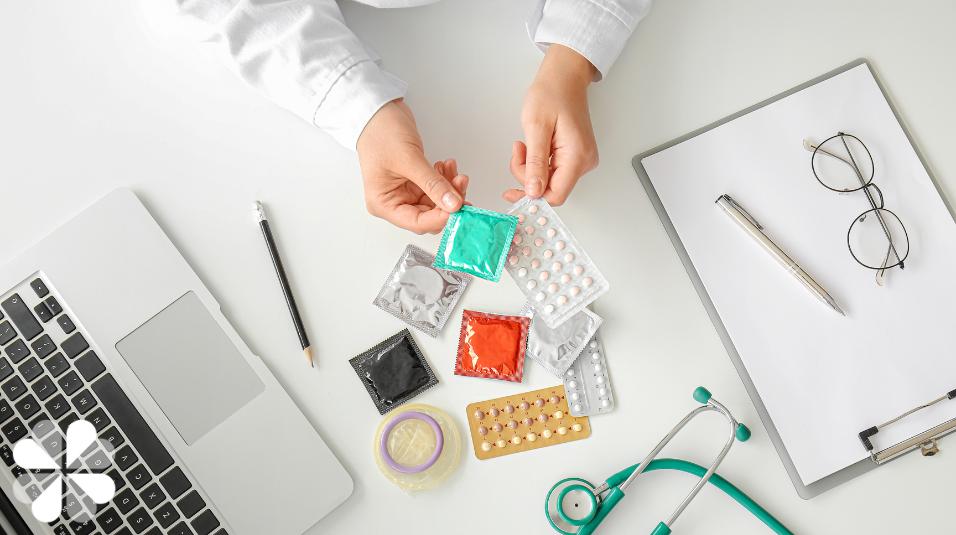
At any reproductive age habits and education in general and especially sexual, are essential to prevent different adverse situations for fertility such as sexually transmitted infections (STDs) and unwanted pregnancies that can lead to repetitive abortions that later contribute to pathologies that could generate infertility. For this reason, the correct and directed use of contraceptive methods is essential for the prevention of sterility.

In adolescence it is very important to disseminate and teach the basic aspects of the physiology of reproduction, insisting on the importance of age for fertility in general and especially for women. Ignorance of these aspects can lead women and men to mismanagement of their biological codes.

In women, the climacteric, which is characterized by an ovarian involution, begins after 35 years. This means that from that age the ovaries begin to have a decrease in the number of the ovules and a worsening of their quality. This situation affects a decrease in the chances of pregnancy, an increase in the abortion rate and an increase in the frequency of Down syndrome.

In short, information in general can prevent many situations of sterility as there are professions and habits that can impair gonadal function.

Do you want more information about the Canary Institute of Infertility (ICI)?

Are there professions with a higher risk of affecting sterility?

There are certain professions that can affect fertility. Knowing the risks of some professions we can also prevent sterility. For example, all professions that require the proximity of an elevated temperature such as cooks who are working after a fire all day or drivers who receive an exaggerated heat because they are exposed to engine heat for many hours. These situations can produce sterility because the elevated temperature affects the testicles and this can eventually damage sperm production, which is a labor risk.

Last modification: 13 2018 June

Share on:

Facebook
Twitter
LinkedIn
WhatsApp
Dr. Ali Mashlab of the Rosary

Specialist in gynecology and obstetrics.
Expert in assisted reproduction.
Director of Canary Institute of Infertility

View profile
Appointments
View profile
Appointments

Comments

comments

Related news

Contraceptive implants and weight gain: Myth or reality?

Canary Doctor

Common mistakes when using contraceptive methods and how to avoid them

Canary Doctor

Contraceptives and side effects

Canary Doctor

Emergency Contraception: What You Should Know About the Morning-After Pill

Canary Doctor
Canarisk - Health Insurance in Canary Islands
Sanus Online Canary Islands

About us

  • About
  • Press and media
  • FAQs
  • Collaborate with us
  • Legal Notice
  • Conditions of use
  • Privacy Policy
  • Get in Touch
Menu
  • About
  • Press and media
  • FAQs
  • Collaborate with us
  • Legal Notice
  • Conditions of use
  • Privacy Policy
  • Get in Touch

Users

  • User Registration
  • Share opinions
  • Choose the right professional
  • Help Center
Menu
  • User Registration
  • Share opinions
  • Choose the right professional
  • Help Center

Professionals

  • Professional Registration
  • Publications
  • Communication and Health Marketing Services
Menu
  • Professional Registration
  • Publications
  • Communication and Health Marketing Services
About us

  • About
  • Press and media
  • FAQs
  • Collaborate with us
  • Legal Notice
  • Conditions of use
  • Privacy Policy
  • Get in Touch
Menu
  • About
  • Press and media
  • FAQs
  • Collaborate with us
  • Legal Notice
  • Conditions of use
  • Privacy Policy
  • Get in Touch

Users

  • User Registration
  • Share opinions
  • Choose the right professional
  • Help Center
Menu
  • User Registration
  • Share opinions
  • Choose the right professional
  • Help Center

Professionals

  • Professional Registration
  • Publications
  • Communication and Health Marketing Services
Menu
  • Professional Registration
  • Publications
  • Communication and Health Marketing Services

We collaborate with

Association of relatives and caregivers of Alzheimer's patients and other dementias of Tenerife
Tinerfeña Multiple Sclerosis Association
This - Tenerife Health International Service
THIS - Tenerife Health International Service
Canary Association of Breast and Gynecological Cancer
Association of relatives and caregivers of Alzheimer's patients and other dementias of Tenerife

Association of relatives and caregivers of Alzheimer's patients and other dementias of Tenerife

Tinerfeña Multiple Sclerosis Association

Tinerfeña Multiple Sclerosis Association

This - Tenerife Health International Service

THIS - Tenerife Health International Service

Canary Association of Breast and Gynecological Cancer

Canary Association of Breast and Gynecological Cancer

WIS

© Canarydoctor 2025

You’ll find us in the

Facebook f Twitter Instagram Youtube Linkedin-in
CLOSE
  • Professional Access
  • Search
    • Specialists and Medical Centers
    • Associations
    • Pharmacies
    • Residences and Sociosanitary Services
    • Medical Insurance
    • Emergency services
  • Special offers
  • Sanus News
×
×

Cart