
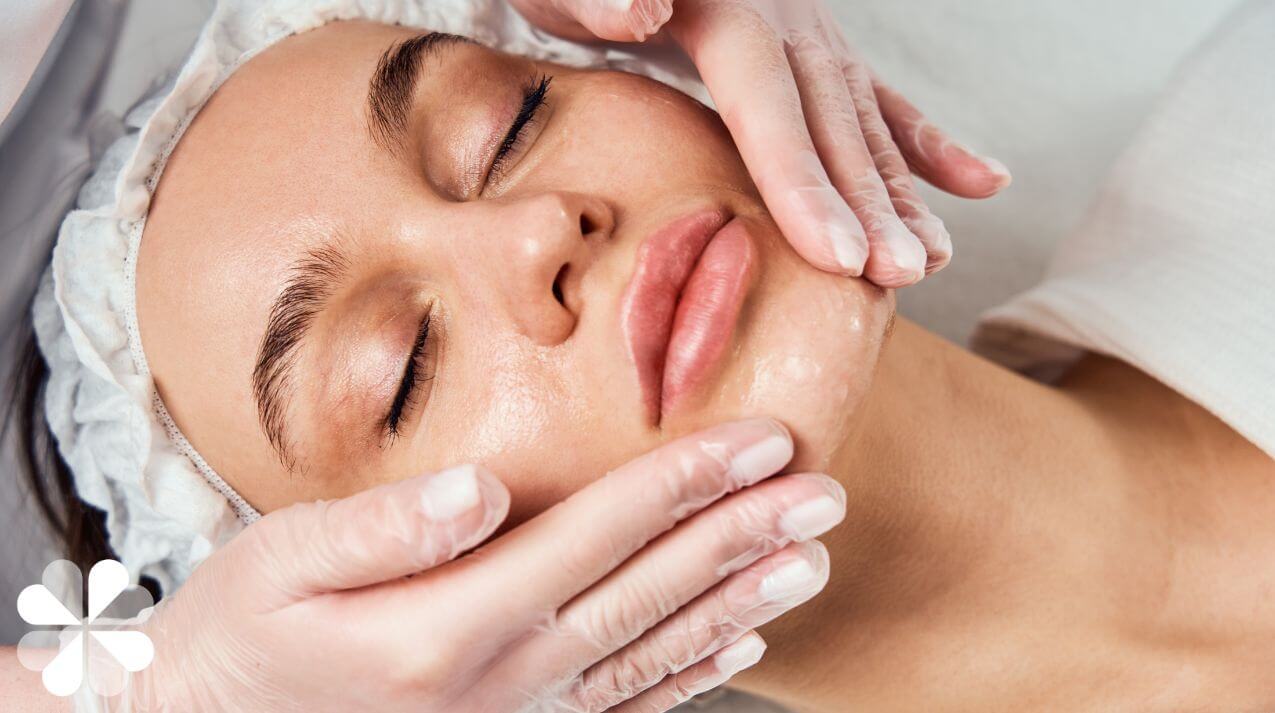
Throughout history, exfoliations or chemical peels have been used as an effective method to rejuvenate the skin, although their process has evolved over time. For example, in ancient times, the Egyptians used acid peels made from fermented grapes or sour milk, probably as a gentle but effective cosmetic treatment.
Today, chemical peels are much more powerful and are based on extensively researched methods that have been shown to safely remove damaged skin. Instead of rotten grapes and expired milk, modern chemical peels use chemical agents like salicylic acid, glycolic acid, trichloroacetic acid, or phenol acid to remove the top layers of skin. These chemical peels can achieve amazing results in wrinkle reduction, complexion brightening, and visible skin smoothing.
Overall, chemical peels are one of the most common and effective cosmetic treatments for reversing sun damage and slowing down the natural aging process. If you are interested in undergoing a chemical peel, from CanaryDoctor We have prepared this guide that will provide you with additional information about the process so that you can decide if it is the right procedure for you.
What is a chemical peel?
A chemical peel is a skin rejuvenation and exfoliation technique that selectively removes the top thin layer of skin. A chemical solution is used that exfoliates and “sloughs off” the outer layers of skin, encouraging the growth of a new, shiny, smooth layer of skin and promoting a faster rate of collagen production naturally. Chemical peels are also helpful in removing brown/red skin discolorations and fine wrinkles, improving the skin's appearance and tone evenly.
There are various types of chemical peels, ranging from superficial to deep. To determine which type of chemical peel is right for you, one of our leading specialists will consider your medical history, skin goals, and discuss the different types of chemical peels with you.
In general, the type of chemical peel will depend on the depth of penetration desired, the desired result, and the recovery time you are willing to commit to. While deeper peels usually offer better results, they also have a longer recovery period and a higher risk of developing side effects.
What are the benefits of chemical peels?
Chemical peels offer a wide range of benefits to improve the appearance and health of the skin on the face, neck, and hands. Although they are commonly used to improve the skin of the face, the intensity of the treatment can vary according to the objectives of each patient. Some of the benefits of chemical peels include:
- Reduction of wrinkles and fine lines
- Decreased sun damage and signs of aging
- Removal of discolorations, blemishes, hyperpigmentation, age spots, brown spots and freckles
- Treatment of minor scars and certain precancerous skin growths
- Improvement of melasma and crow's feet
Who are the ideal candidates for a chemical peel?
Chemical peels are appropriate for people of all skin tones and textures, although people with lighter skin tones tend to have better results. Those with darker skin tones may also see skin improvements after a chemical peel, although there is a higher risk of uneven skin tone or some dark spots after treatment.
Before undergoing any medical or cosmetic procedure, it is important to seek the advice of a specialized physician or surgeon. They will review your medical history and discuss any current or past medical conditions with you to assess your readiness for a chemical peel. It's important to tell your doctor about any cosmetic procedures you've had in the past and any medications you've recently taken. Also, be sure to mention if you've been using a retinoid cream, as this can improve the penetration of some chemical peels.
One of our specialists may also want to perform a physical exam to assess the area of skin to be treated. They will look at factors like your skin tone and thickness to determine if a chemical peel procedure is the best option for you.
Who is not a good candidate for this procedure?
Not everyone is an ideal candidate for a chemical peel, even if this cosmetic procedure has worked well for many skin types. It is important to have realistic expectations about the results that can be achieved and to be aware of the risks associated with the procedure. For example, while chemical peels can improve the appearance of your skin, they won't reduce pore size or remove deep scars. Also, people with darker skin tones are at a higher risk of developing hyperpigmentation or hypopigmentation after the procedure.
There are certain skin conditions that may make a chemical peel unsuitable, such as active skin disease, infections, broken skin or cuts, frequent outbreaks of cold sores, psoriasis, eczema, rosacea, or dermatitis. Treatment is also not recommended for pregnant or lactating women, those using prescription skin care products, or who have used acid- or bleach-based products in the past 48 hours.
Will I be under anesthesia during my chemical peel?
The type of anesthesia you receive will depend on the intensity of the chemical peel you need. In general, if it is a light chemical peel, you will not need any type of anesthesia. However, if you require a mild chemical peel, you may be offered the option of taking a pain reliever or sedative to help you feel more comfortable during the procedure.
For a deep chemical peel, you will most likely be given a local anesthetic and a sedative to numb your skin and prevent discomfort during treatment.
Do chemical peels cause pain?
In general, light and medium intensity chemical peels are not very painful, although it is common to feel some burning during or after the procedure, similar to a sunburn. For deeper treatments, local anesthesia and sedatives are used to numb the skin and prevent pain during the procedure.
Upon completion, the specialist will provide instructions on how to manage minor pain and may prescribe over-the-counter pain relievers to relieve pain and inflammation. Depending on the depth of the peel, you may experience redness, swelling, and irritation, although using the right creams and gels can help reduce these effects.
How will I prepare before having a chemical peel?
If you are thinking of getting a chemical peel, it is important that you prepare properly to maximize the results and minimize the risks. Talk to one of our doctors about the treatment process which could include a retinoid cream (tretinoin) or a bleaching agent (hydroquinone) to speed healing and prevent uneven pigmentation in the treated areas. If you have a history of herpes infections around the mouth, you may be prescribed an antiviral medication before and after treatment to prevent a viral infection.
Additionally, it is crucial that you consistently wear sunscreen for at least four weeks prior to the procedure and avoid waxing or using depilatory products or facial scrubs in the week leading up to the peel. Remember that each person is different, and one of our leading specialists It will tell you the specific steps you need to take to properly prepare. With good preparation, you can ensure that the procedure is safe and effective.
Find the best Aesthetic Doctor in Canary Islands among more than 48 Aesthetic Clinics and more than 30 Specialists in Aesthetic Medicine.