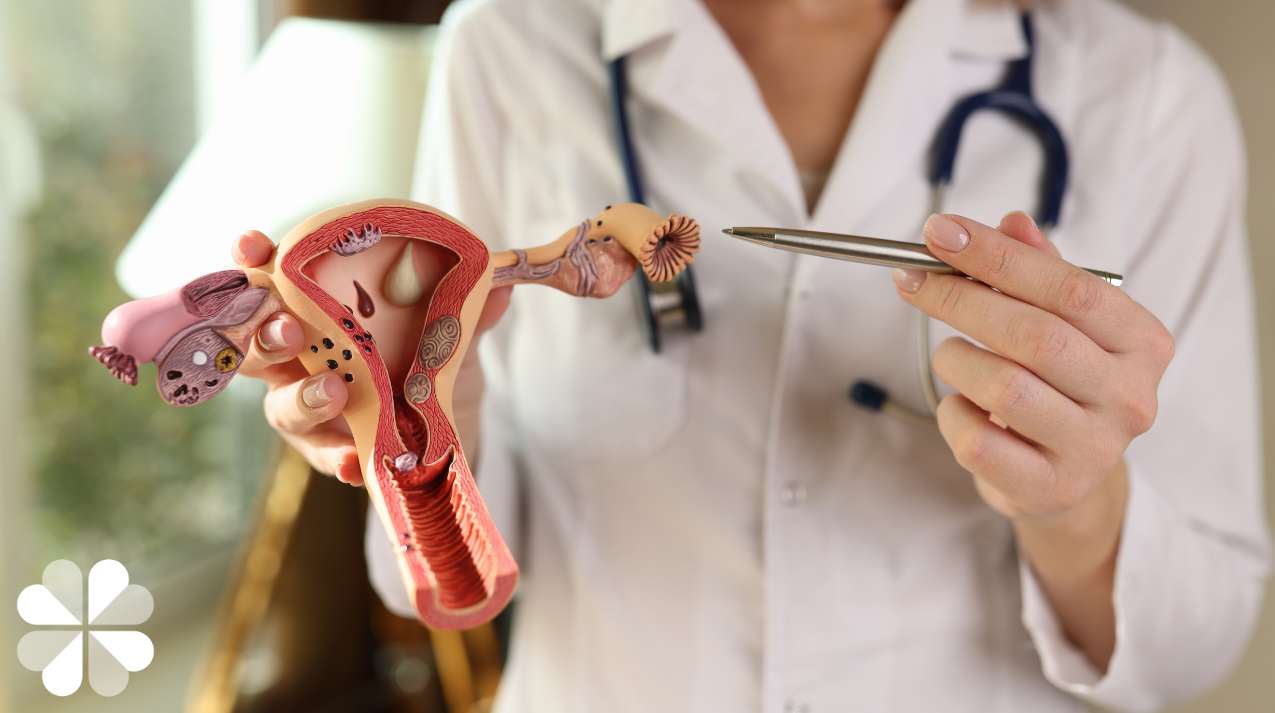

Menopause is a natural stage in the life of all women, marked by the end of menstrual periods and reproductive capacity. This biological process is accompanied by a series of hormonal changes, the decrease in estrogen being one of the most significant. From CanaryDoctor, We will explore how the decline in estrogen influences menopause, its effects on the body, and ways to manage the associated symptoms.
What is estrogen and its role in the body?
Estrogen is a female sex hormone produced primarily by the ovaries. It plays a crucial role in the development and maintenance of the female reproductive system and other bodily functions, including:
- Regulation of the menstrual cycle.
- Development of secondary sexual characteristics.
- Maintenance of bone health.
- Modulation of fat metabolism and body fat distribution.
- Support of cardiovascular health.
Decreased estrogen during menopause
Menopause is characterized by a significant decrease in estrogen production by the ovaries. This hormonal reduction has a considerable impact on various systems of the body, resulting in a variety of symptoms and physical changes.
Vasomotor symptoms
Hot flashes and night sweats. Hot flashes are one of the most common symptoms of decreased estrogen. They manifest as a sudden feeling of intense heat that spreads over the upper body and face, often accompanied by profuse sweating and sometimes palpitations. Night sweats are hot flashes that occur during the night, disrupting sleep and affecting quality of life.
Vaginal and sexual health
Vaginal dryness and dyspareunia. Estrogen is crucial for maintaining vaginal lubrication and elasticity. Its decrease can lead to vaginal dryness, which can cause discomfort and pain during sexual intercourse (dyspareunia). Additionally, vaginal atrophy, which is thinning of the vaginal walls, can increase the risk of vaginal and urinary infections.
Bone health
Osteoporosis. Estrogen helps maintain bone density. Its decrease during menopause can accelerate bone loss, increasing the risk of osteoporosis, a condition that causes bones to become brittle and more prone to fractures.
Metabolic and weight changes
Weight gain. Decreased estrogen can influence metabolism, leading to weight gain and changes in the distribution of body fat, which tends to accumulate more in the abdomen. This can increase the risk of cardiovascular disease and type 2 diabetes.
Cardiovascular health
Increased risk of cardiovascular diseases. Estrogen has a protective effect on the cardiovascular system. Its decrease can contribute to a higher risk of cardiovascular diseases, such as hypertension, high cholesterol and arteriosclerosis.
mental and emotional health
Mood swings and depression. Hormonal changes during menopause can affect mood, causing irritability, anxiety, and depression. Additionally, sleep problems associated with nighttime hot flashes can exacerbate these symptoms.
Managing menopause symptoms
Hormonal therapy
Hormone therapy (HT) is an option to relieve many of the symptoms of menopause. This therapy may include estrogen alone or a combination of estrogen and progesterone. However, HT is not suitable for all women and can have side effects. It is important to discuss the benefits and risks with a doctor.
Healthy life style
- Food and exercise. Maintaining a balanced diet rich in calcium and vitamin D, and exercising regularly can help control weight, strengthen bones, and improve mood. Activities such as walking, swimming or practicing yoga are highly recommended.
- Stress management.
- Relaxation techniques. Practicing relaxation techniques such as meditation, yoga or deep breathing can help manage stress and improve emotional well-being during menopause.
- Hydration and vaginal care.
- Lubricants and humectants. For vaginal dryness, using water-based lubricants during sex and vaginal moisturizers can provide relief. Additionally, staying well hydrated is crucial for overall health.
The decrease in estrogen during menopause is responsible for a wide range of symptoms and changes in the body. Understanding these changes and adopting strategies to manage them can significantly improve the quality of life of women at this stage. Consulting with health professionals and taking advantage of the resources available in Canary Islands can help women navigate this transition in a healthy and positive way.